01Modern Water Treatment and Recirculation Systems
02Introduction: Why Water Treatment Matters for Health and the Environment
Water is a fundamental resource for life and for industrial development. Proper treatment is critically important for human health, because uncontaminated drinking water rules out poisoning by heavy metals, pathogenic microorganisms and toxic substances. In addition, water treatment and subsequent recirculation are the main tool for maintaining ecological balance, protecting natural water bodies and soil from degradation.
031. Classification of Water Softening and Treatment Systems
Depending on their purpose and the technological requirements, treatment units fall into two main categories: domestic and industrial systems.
Domestic Water Treatment Systems
These systems focus on improving the organoleptic properties of drinking water (taste, odour, colour) and on its microbiological safety. They mainly use:
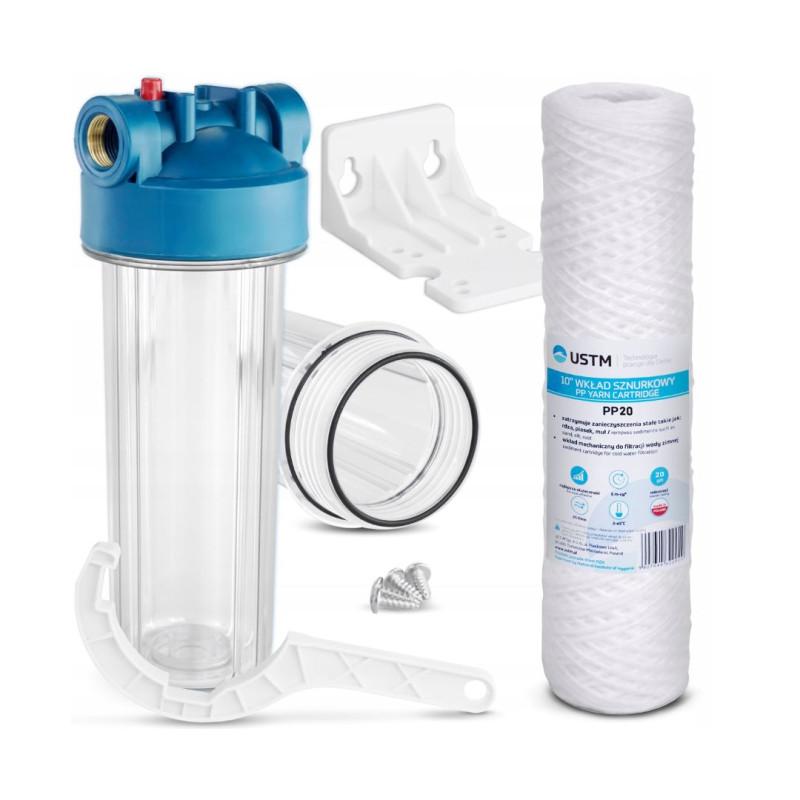
- Mechanical filters: retain coarse impurities such as sand, rust and microplastics.
- Carbon filters: actively adsorb chlorine and organic compounds.
- Point-of-use reverse osmosis (RO) systems: purify water at the molecular level, removing dissolved salts and heavy metals.
Industrial Water Treatment Systems
Designed for high capacity, they provide application-specific water conditioning for technological processes (e.g. heating and cooling systems, the food industry, pharmaceuticals).
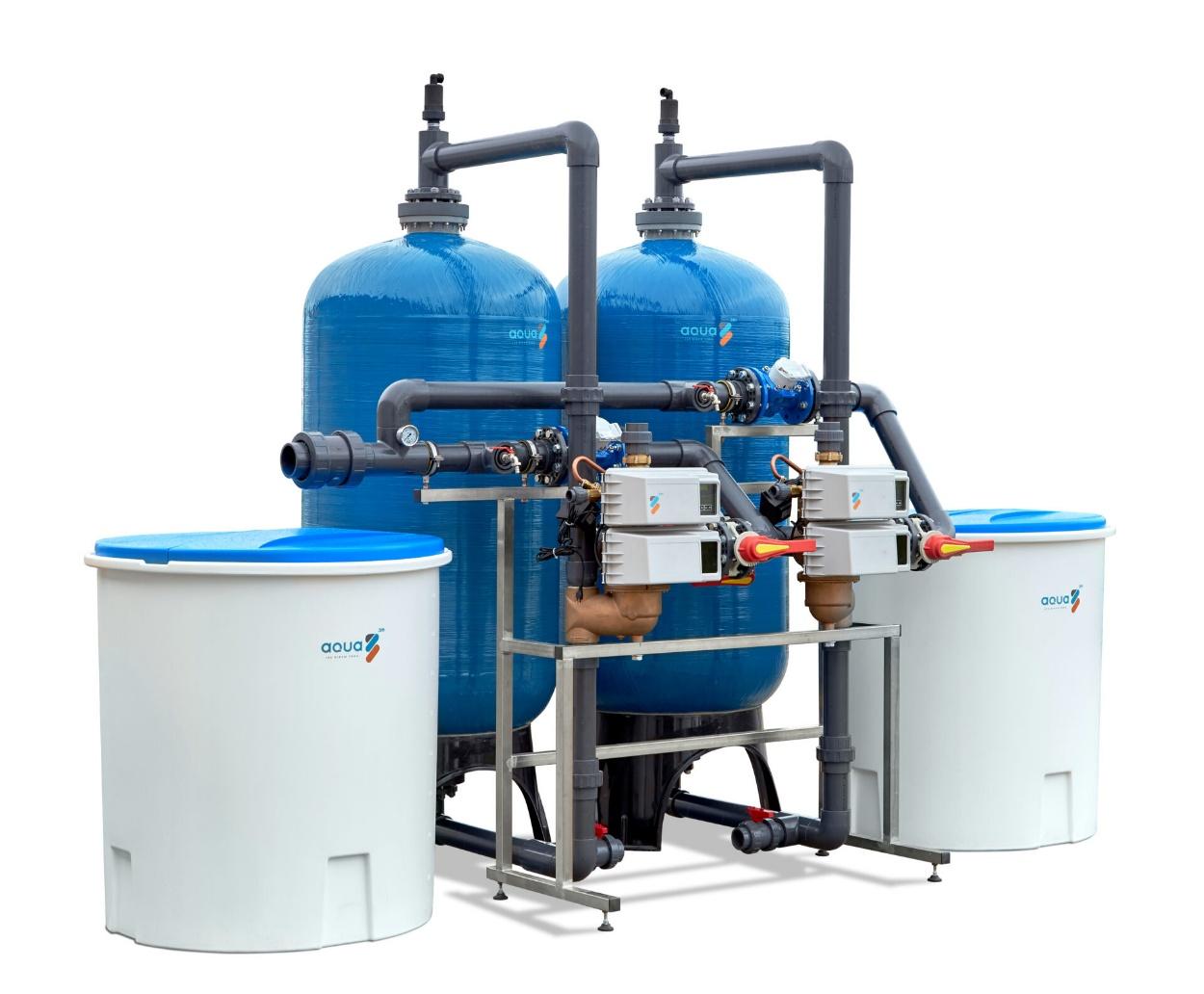
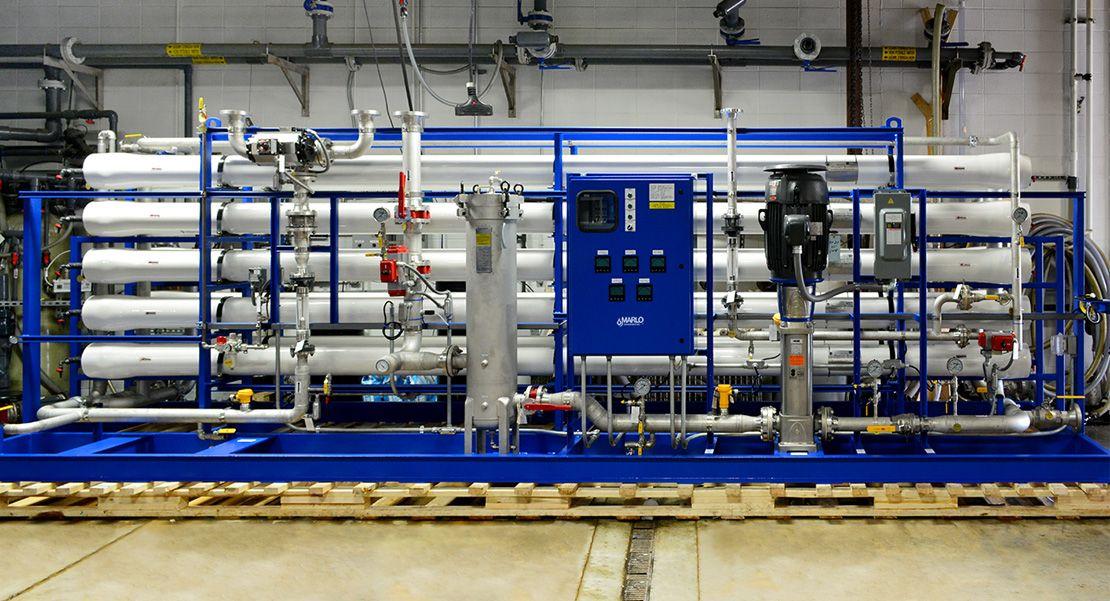
- Water softening cascades: use ion-exchange resins to replace calcium and magnesium ions (hardness salts) with sodium. This is vital for protecting boilers, chillers and other expensive equipment from scale.
- High-capacity industrial reverse osmosis (RO) and ultrafiltration systems: provide complete demineralization of water and achieve the specific conductivity required by industrial standards.
| Characteristic | Domestic systems | Industrial systems |
|---|---|---|
| Capacity | Low (from several tens to hundreds of litres per day) | Very high (from several cubic metres per hour) |
| Target focus | Chlorine, heavy metals, bacteria, taste/odour | Hardness, specific chemical impurities, electrical conductivity |
| Service and maintenance | Simple manual cartridge replacement (1–2 times a year) | Continuous monitoring, sensor-based control, automated cleaning (CIP) |
| Infrastructure | Compact, installed directly at the point of use | Requires a dedicated plant room, pipework and pumping stations |
042. Wastewater Treatment Plants
Proper wastewater management is directly linked to environmental safety. When untreated industrial or domestic sewage enters the natural environment, it causes eutrophication of water bodies, destruction of flora and fauna, and the spread of dangerous epidemics.
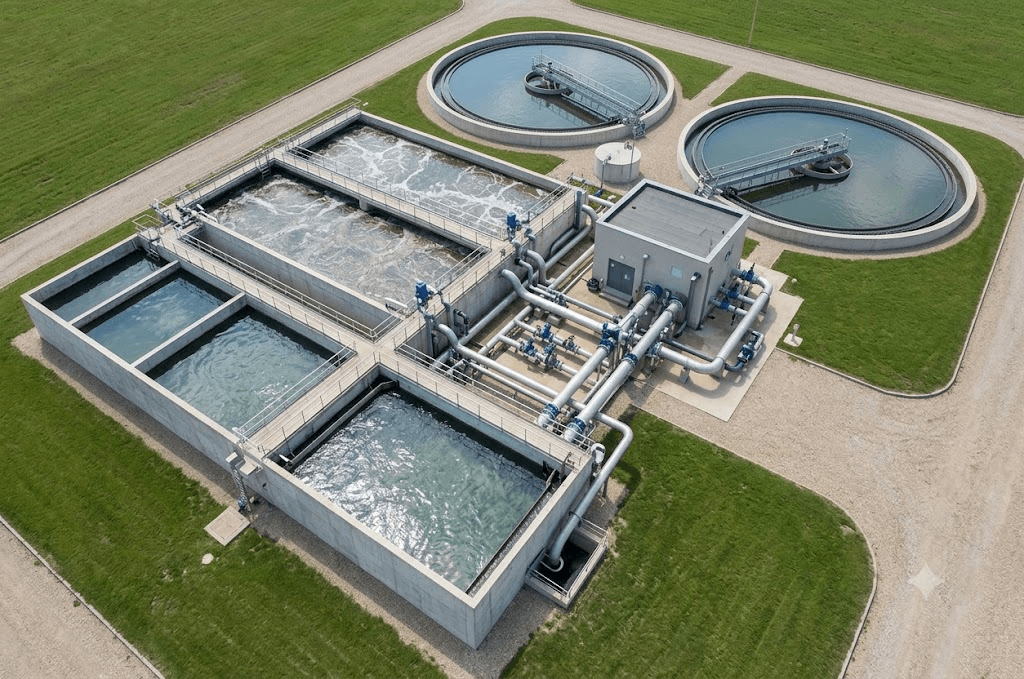
- Domestic wastewater systems: mainly include septic tanks and small local biological treatment plants. They treat sewage and domestic wastewater with the help of specific microorganisms (aerobic and anaerobic bacteria).
- Industrial wastewater systems: a far more complex infrastructure that requires physico-chemical treatment (coagulation, flocculation, neutralization) to remove toxic substances, heavy metals, oils and petroleum products from the water before it is discharged into the natural environment or the municipal network.
| System type | Advantages | Disadvantages / challenges |
|---|---|---|
| Domestic | Effective odour prevention, protection against soil infiltration, environmental cleanliness. | Requires regular desludging (in the case of septic tanks) and protection from excessive concentrations of chemical detergents. |
| Industrial | Prevention of heavy pollution, full compliance with environmental regulations. | High capital and operating (energy/chemical) costs; requires qualified engineering staff. |
In the video module below you can see the four main stages of wastewater treatment (primary, secondary, tertiary and final), which clearly show how polluted water is brought to a safe condition before being returned to nature:
Please note: as shown in the video, meeting modern environmental standards is impossible without the biological aeration and ultraviolet disinfection stages.
053. The Complete Cycle of Secondary Treatment and Recirculation (Water Reuse)
In modern plants, introducing systems for re-treating and recirculating process water (so-called ZLD – Zero Liquid Discharge) represents the peak of engineering evolution and sustainable development. The process involves treating used water to a level at which it can be returned to the production cycle.
Main Stages of the Complete Cascade Treatment Cycle for Recirculation
- Mechanical treatment (screens and grease traps): removes coarse physical impurities and surface oils.
- Biological and chemical reactors (aeration tanks): special bacteria or chemical coagulants break down complex organic and inorganic compounds.
- Membrane technologies (ultrafiltration and reverse osmosis): the finest stage of filtration, where the smallest particles and dissolved salts are separated.
- Disinfection (UV / ozonation): destroys pathogenic microorganisms that survived the previous stages.
- Recirculation pumping systems: return perfectly cleaned water, brought to the required parameters, to the production line.
Economic Benefits and Advantages for Industrial Plants
Although introducing recirculation systems requires an initial capital investment, the economic return for the plant is enormous:
- Radical resource savings: raw water consumption and the volume discharged into the municipal network fall by 80–95%, which directly and significantly reduces utility bills.
- Avoiding penalties: the plant fully complies with strict environmental regulations and protects itself from the heavy fines imposed for pollution.
- Raw material recovery: in some cases (for example, in electroplating or chemical production), the recirculation process makes it possible to separate expensive chemicals or precious metals and reuse them in production.
- Operational independence: the plant becomes less dependent on the stability of the municipal water supply or on the yield of natural sources, which ensures an uninterrupted production process.
064. Wastewater Treatment and Recirculation Systems for Water Reuse at Car Washes
Car washes (self-service as well as tunnel and automatic types) are among the largest water consumers in the commercial sector. As a rule, washing a single vehicle requires an average of 150 to 300 litres of clean water.
Introducing water re-treatment and recirculation (so-called reclaim systems) at car washes is no longer just an environmental trend — it is a critically important economic tool that cuts the business's operating costs and makes it eco-friendly.
How Does a Car Wash Water Recirculation System Work?
Preparing used (soapy and muddy) water for reuse involves several successive high-tech stages:
- Primary settling (mud and sand traps): used water flows into underground or above-ground tanks, where coarse particles (sand, gravel, mud) settle to the bottom by gravity.
- Oil and petroleum product separation: special separators (grease traps) remove motor oils and fuel residues from the water surface so that downstream filters are not contaminated.
- Multimedia and carbon filtration: a pump feeds the water to sand and activated carbon filters. At this stage, fine suspended particles and heavy metals are removed from the water and its colour is improved.
- Biological/chemical treatment and disinfection (ozone or UV): since bacteria multiply rapidly in standing water (causing unpleasant odours), the water undergoes ozonation or ultraviolet (UV) disinfection. This stage kills microorganisms and makes the water completely odourless.
- Clean water storage and return to the system: perfectly filtered and sterilized water collects in a clean water tank and is fed back to the washing equipment by high-pressure pumps (for the main wash process).
Economic Benefits for the Business
By introducing a water recirculation system, car washes can recover and reuse 80% to 90% of the water used (fresh water is used only for the final rinse, the so-called "osmosis" rinse).
The table below clearly shows the economic benefit the system brings to a car wash with an average workload:
| Characteristic | Without recirculation (standard system) | With a recirculation system (reclaim system) | Economic and environmental effect |
|---|---|---|---|
| Clean water consumption per vehicle | ~ 200 litres | ~ 30 – 40 litres (for the final rinse only) | 80–85% savings on water bills. |
| Sewerage costs | High (100% of the water used is discharged to the sewer) | Minimal (only a small loss goes to the sewer) | Radical reduction in sewerage charges. |
| Chemical (shampoo) consumption | Standard (100% is washed into the sewer) | Reduced by 15–20% | Part of the detergent remains in the recirculated water. |
| Environmental regulations and fines | High risk (due to direct discharge of polluted water) | Zero risk (the system meets eco-standards) | Protection of the business and a "green" (eco-friendly) image. |
| Payback period (ROI) | — | On average 1 to 2 years (depending on workload) | Fast payback and subsequent growth in net profit. |
Key fact: a conventional car wash serving 100 vehicles a day saves approximately 6,000 tonnes (6 million litres) of drinking water per year with a recirculation system, which for the business translates into savings of tens of thousands of GEL.